GBI Signs Memorandum of Understanding with Türk Telekom International at Capacity Europe to Explore Network Interconnection and New International Connectivity Routes
Cooperation brings together GBI’s Gulf-wide network and TTI’s extensive European footprint to strengthen digital connectivity between the Gulf, Europe and Asia
Eng. Ahmad Mohamed AL-Kuwari: “This MoU is a practical step towards more diverse and resilient connectivity, and reinforces the Gulf’s role as a pivotal digital corridor between continents”
Gulf Bridge International (GBI), owner and operator of one of the leading international telecommunications networks connecting the Arabian Gulf to the world, through its extensive subsea and terrestrial infrastructure, has signed a Memorandum of Understanding (MoU) with Türk Telekom International (TTI), the international arm of Türk Telekom Group, at Capacity Europe 2026. The MoU sets out the two companies’ intention to explore cooperation in network interconnection, the development of new international connectivity routes, and joint products and services, with the objective of translating mutually agreed initiatives into concrete projects.
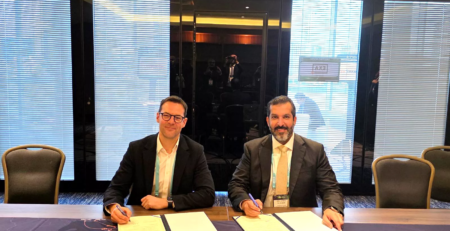
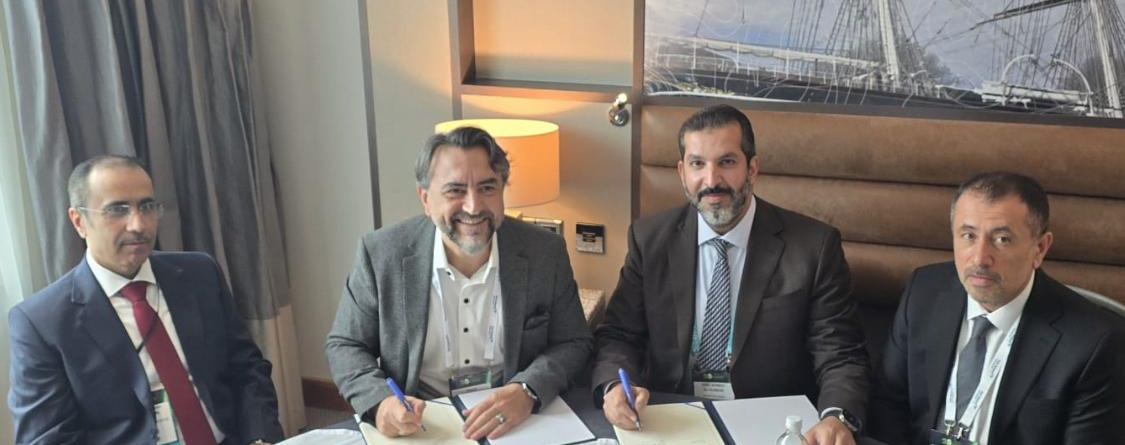
The MoU was signed on behalf of GBI by Eng. Ahmad Mohamed AL-Kuwari, Board Member and Chief Executive Officer, and on behalf of TTI by Mr. Yavuz Yildirim, TTI Group Chief Executive Officer. The signing reflects both parties’ shared commitment to strengthening cross-border digital infrastructure and to meeting the growing demand for international capacity and highly reliable connectivity across the Gulf, the Middle East and Europe.
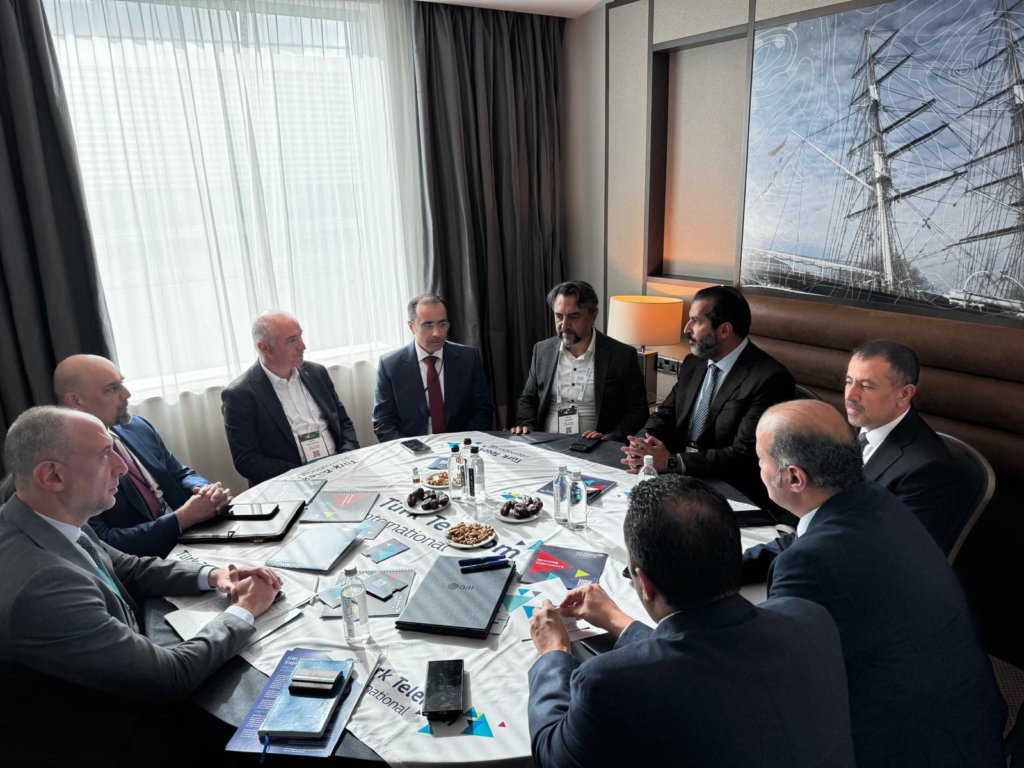
The MoU establishes a structured framework for dialogue between the two companies, with the proposed cooperation centred on three main pillars: first, interconnection between the GBI and TTI networks, enabling capacity integration and traffic exchange between the two sides; second, the development of new international connectivity routes that increase route diversity for data traffic between the Gulf, Europe and Asia; and third, the creation of joint products and services that address the needs of telecom operators, internet service providers, content and cloud providers in the markets where both companies operate. Where the parties reach consensus, the outcomes are expected to be formalised through definitive commercial agreements for each service.
The signing comes at a time of rapid growth in data traffic across the region, driven by the expansion of cloud services, data centres and artificial intelligence applications. This growth is increasing the need for multi-route international infrastructure that ensures service continuity and provides reliable alternatives in the event of any disruption.
Commenting on the occasion, Eng. Ahmad Mohamed AL-Kuwari, Board Member and Chief Executive Officer of GBI, said: “We are delighted to lay the foundation today for a promising cooperation with Türk Telekom International, one of the most prominent international wholesale carriers in Europe and the wider region. This MoU brings together GBI’s network and TTI’s extensive presence, opening the door to more diverse and resilient connectivity solutions for our customers and partners.”
Eng. AL-Kuwari added: “Route diversity is no longer an optional extra in today’s telecommunications landscape; it is a strategic necessity. At GBI, we believe that well-considered partnerships with international carriers of TTI’s calibre are the most direct way to meet these needs and to reinforce the Gulf’s position as a pivotal digital corridor between continents.”
Eng. AL-Kuwari concluded: “This MoU is fully aligned with GBI’s strategy of expanding our international partnerships and investing in the infrastructure that underpins the region’s digital economy. It also supports the State of Qatar’s ambition to be a regional hub for technology and telecommunications.”
Both parties confirmed that the MoU represents the first phase of a joint cooperation journey, to be taken forward by dedicated teams from each side. These teams will study available opportunities, assess their technical and commercial feasibility, and negotiate in good faith towards the definitive agreements required to implement the projects agreed upon.